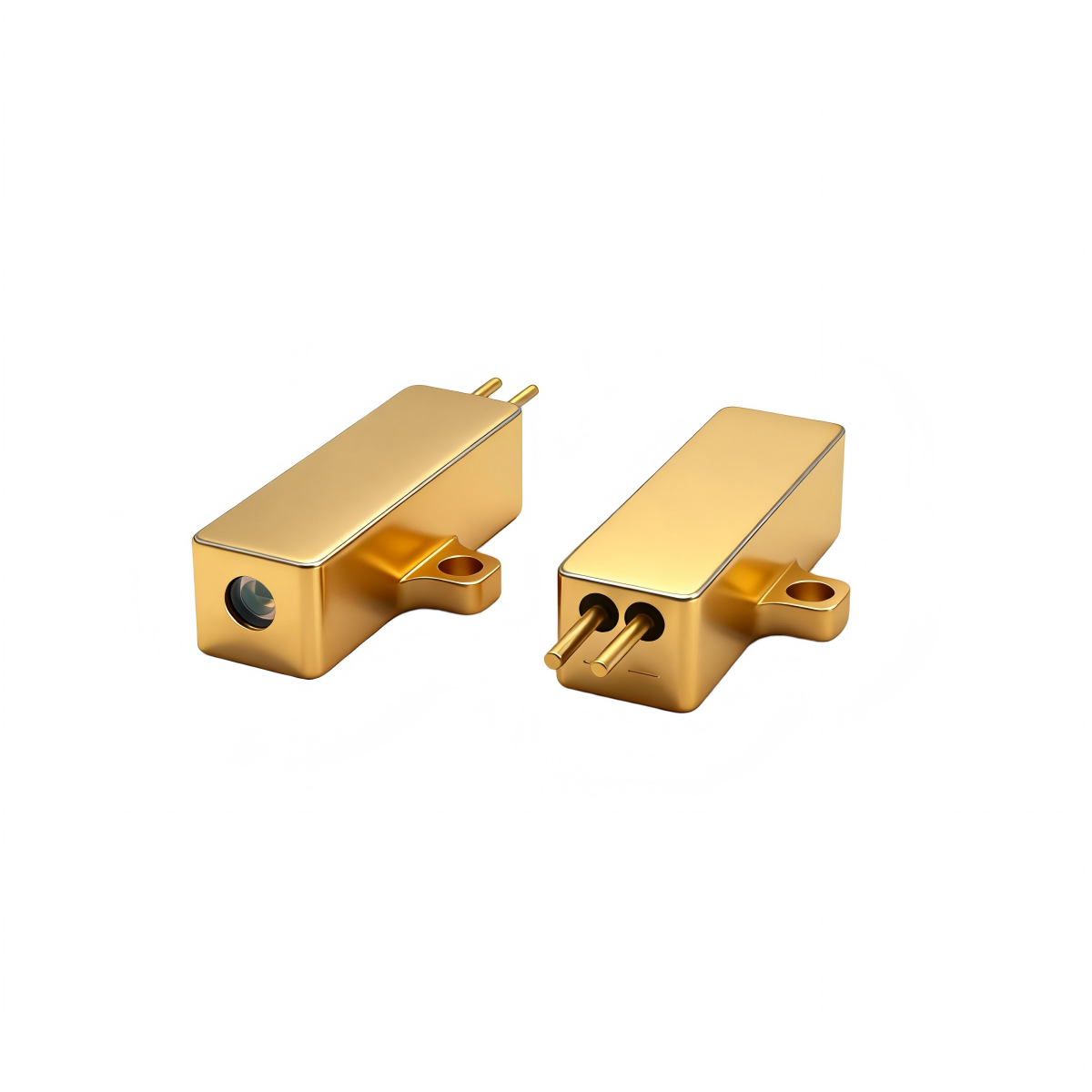
 ER300
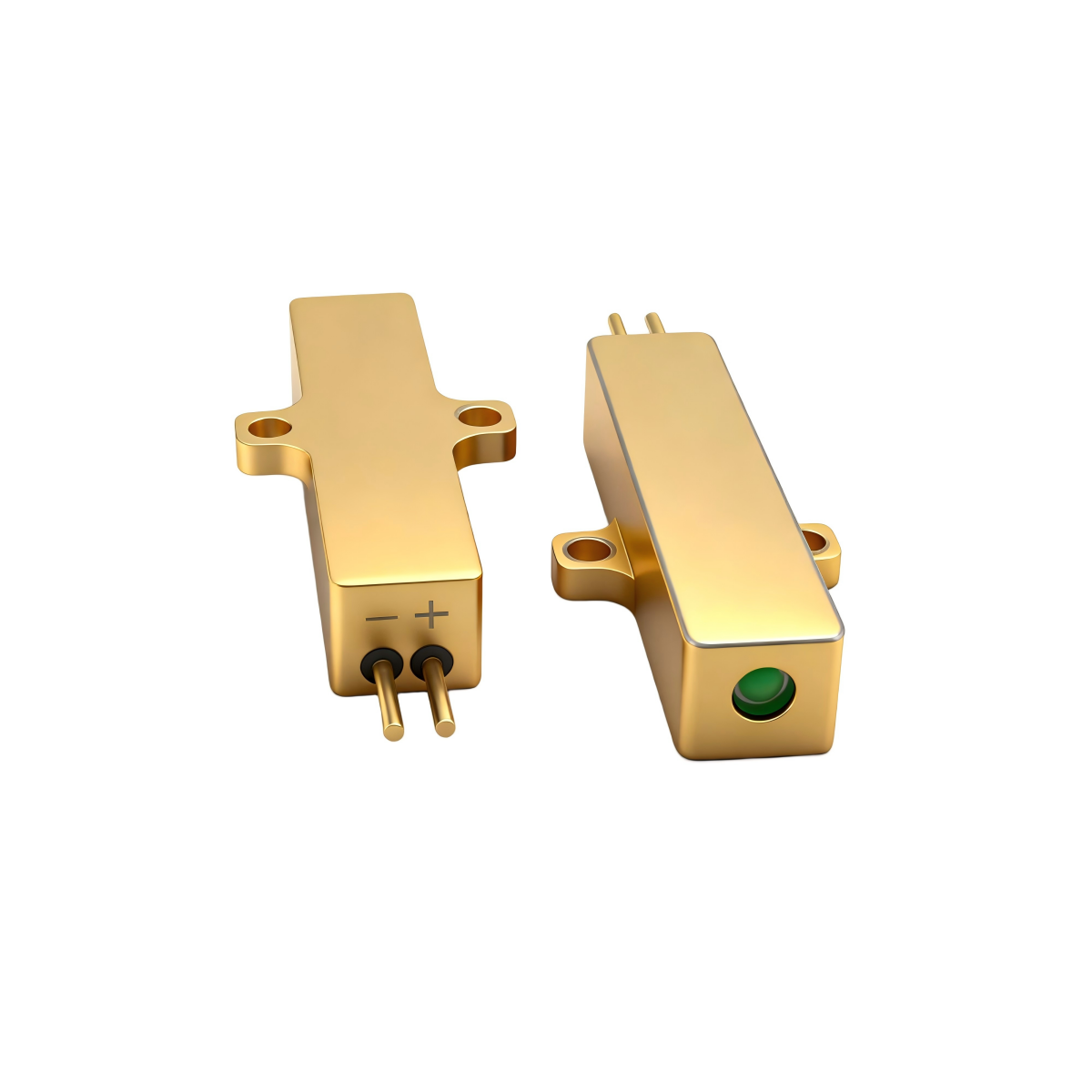 ER500
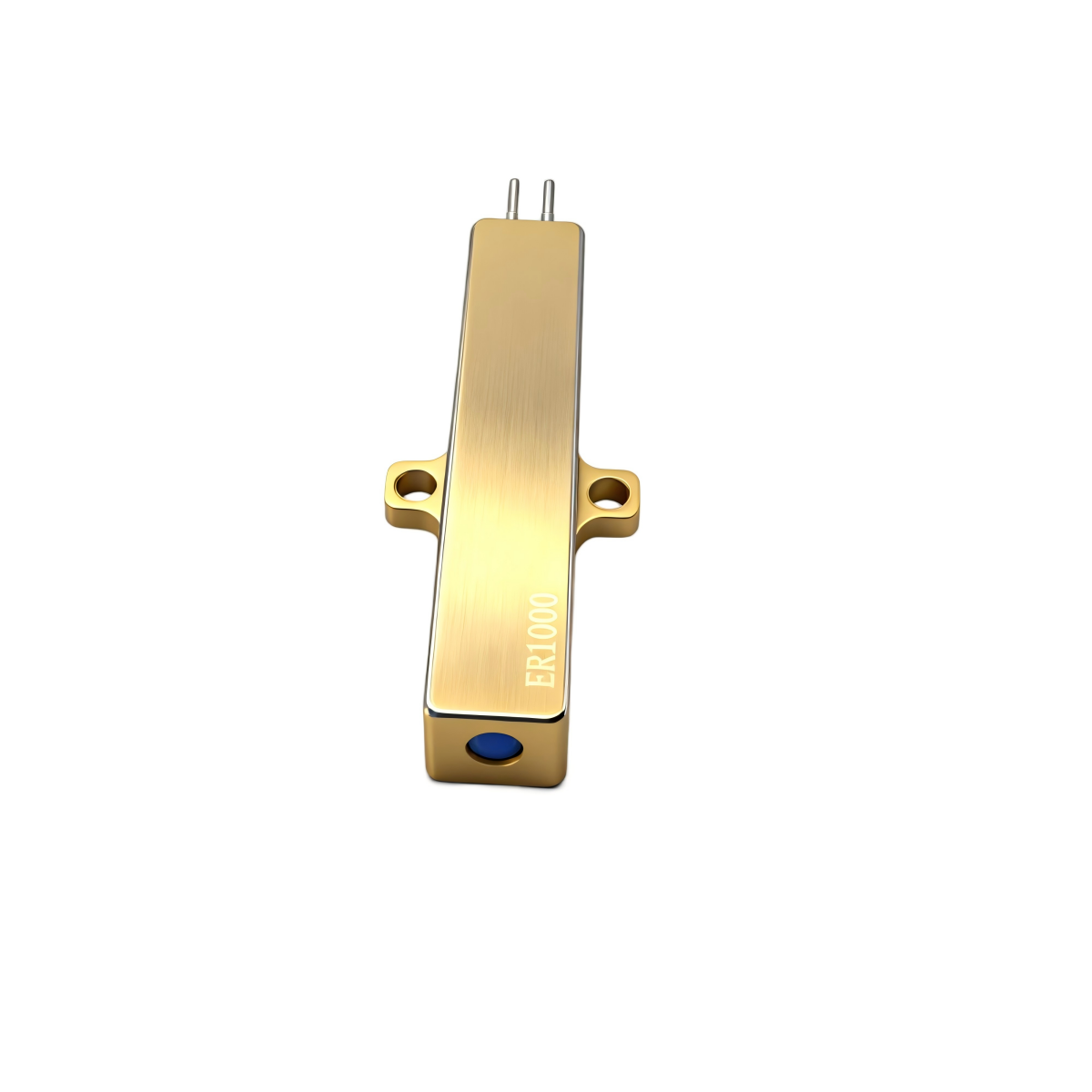 ER900
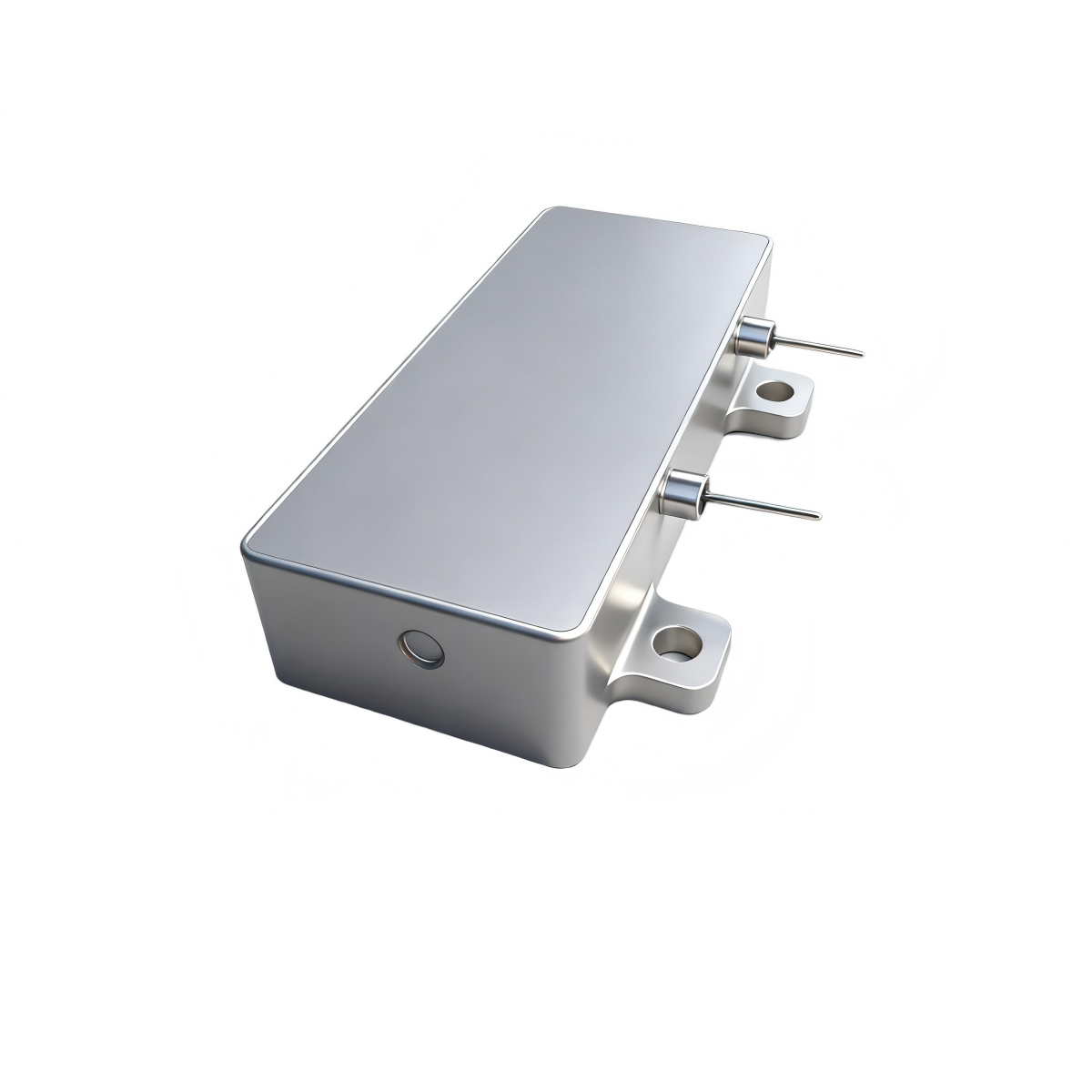 ER2000
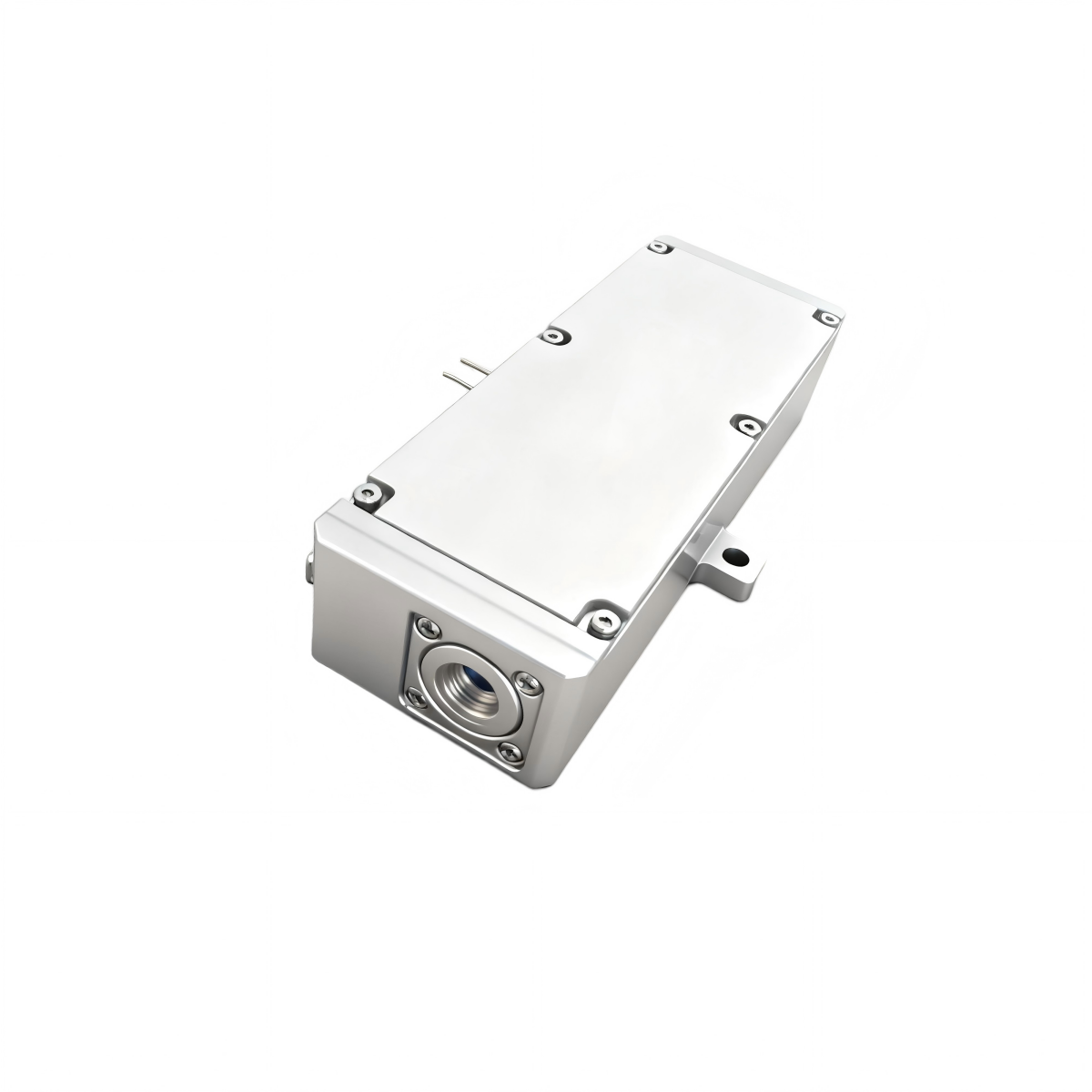 ER10000

Product range
1535nm Laser Sources
1535 nm eye-safe erbium glass microchip laser sources, from a 14.5 × 6.3 mm micro package to a 10 mJ transmitter. Every model below carries a published specification table and a datasheet.
Filter
Pulse energy
Repetition rate
Filtering uses the values published in each model's own specification table. The three energy tiers follow the model series: ER10–ER70, MINI-100 and ER100 up to 100 µJ; ER200–ER900 from 100 µJ to 1 mJ; ER2000–ER10000 at 1 mJ and above.
Model Comparison
| Model | Pulse energy | Repetition rate | Dimensions | Weight | Pulse width | Tier |
|---|---|---|---|---|---|---|
| MINI-100 | ≥100 µJ | 1–10 Hz | 14.5×6.3×4.37 mm³ | 2.5 g | 3.5 ns | Micro package |
| ER100 | ≥100 µJ | 1–10 Hz | 21×8×6.8 mm³ | 7 g | 6 ns | Micro package |
| ER200 | ≥200 µJ | 1–10 Hz | 21×8×6.8 mm³ | 7 g | 5 ns | Compact |
| ER300 | ≥300 µJ | 1–10 Hz | 25×8×6.8 mm³ | 8.5 g | 5 ns | Compact |
| ER400 | ≥400 µJ | 1–10 Hz | 35×8×6.8mm³ | 12 g | 6 ns | Compact |
| ER500 | ≥500 µJ | 1–10 Hz | 35×8×6.8mm³ | 12 g | 6 ns | Compact |
| ER800 | ≥800 µJ | 1–10 Hz | 40×8×7.5mm³ | 18 g | 7 ns | Standard |
| ER900 | ≥900 µJ | 1–5 Hz | 40×8×7.5mm³ | 18 g | 7 ns | Standard |
| ER2000 | ≥2 mJ | 1–5 Hz | 60×25×13.5mm³ | 105 g | 12 ns | High energy |
| ER4000 | ≥4 mJ | 1–5 Hz | 60×25×13.5mm³ | 105 g | 12 ns | High energy |
| ER8000 | ≥8 mJ | 1–5 Hz | 110×40×24.5mm³ | 220 g | 13 ns | High energy |
| ER10000 | ≥10 mJ | 1–5 Hz | 110×40×24.5mm³ | 220 g | 12 ns | High energy |
| ER10 | ≥10 µJ | 5 kHz | 17 × 8 × 7 mm | 6 g | 5 ns | High repetition |
| ER20 | ≥20 µJ | 2.5 kHz | 17 × 8 × 7 mm | 6 g | 5 ns | High repetition |
| ER40 | ≥40 µJ | 1 kHz | 17 × 8 × 7 mm | 6 g | 4 ns | High repetition |
| ER70 | ≥70 µJ | 500 Hz | 17 × 8 × 7 mm | 6 g | 4 ns | High repetition |
Specification notes for this table
Values are taken from each model's published specification. Pulse energy is a minimum guaranteed figure; dimensions are the package outline without leads. Confirm the applicable specification against your own acceptance criteria before design freeze.
How to Choose a 1535nm Laser Source
Sixteen models, one wavelength. What separates them is a single trade-off: how much energy one pulse carries, against how many pulses the system can send per second.
From requirement to part number
1Application requirement
- Target range
- Target reflectivity
- Measurement speed
- Installation space
- Power budget
- Operating environment
2Key parameters
- Pulse energy, µJ–mJ
- Repetition rate, Hz–kHz
- Beam divergence and diameter
- Size, weight, heat
3Select the source
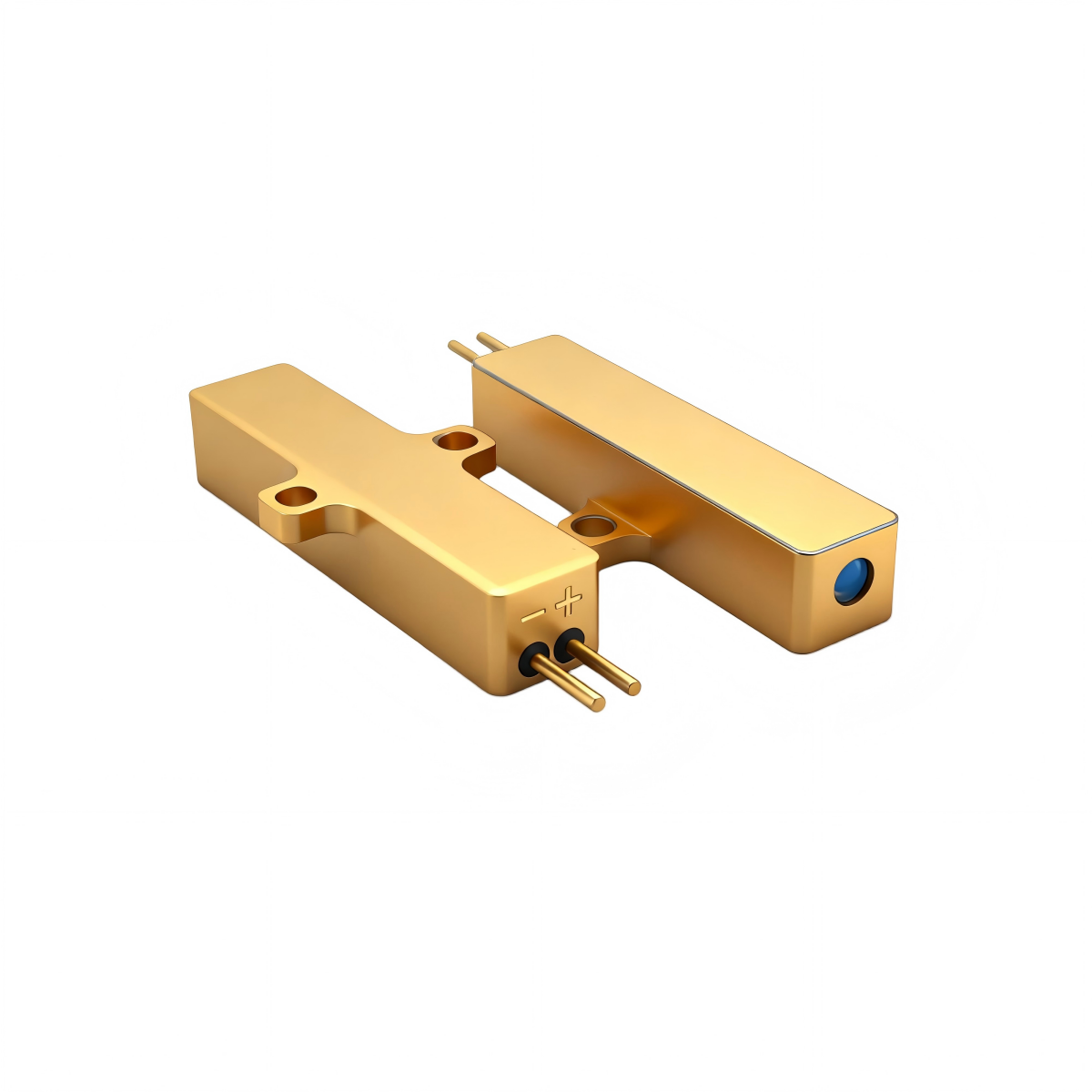
Match the parameters to one of sixteen models — the portfolio below is the whole range.
4System integration
- Transmit optics
- Receive optics
- Detector
- Timing and signal processing
- Thermal path
The range in one view
Production units, photographed — grouped by the trade-off above.
High repetition10–70 µJ · 500 Hz–5 kHz
Compact100–900 µJ · 1–10 Hz
Er:YAG or erbium glass? The two erbium lasers compared →
What to send with an enquiry
You do not need to know the pulse energy yet. These eight items usually settle the model in one exchange.
- Required range and target type
- Measurements per second
- Transmit and receive aperture
- Maximum size and mass
- Supply voltage and current
- Temperature range and duty cycle
- Beam divergence or spot size
- OEM or ODM expectation
All Models

ER20 1535nm 20µJ Eye-Safe Erbium Glass Laser for Compact Rangefinders and LiDAR
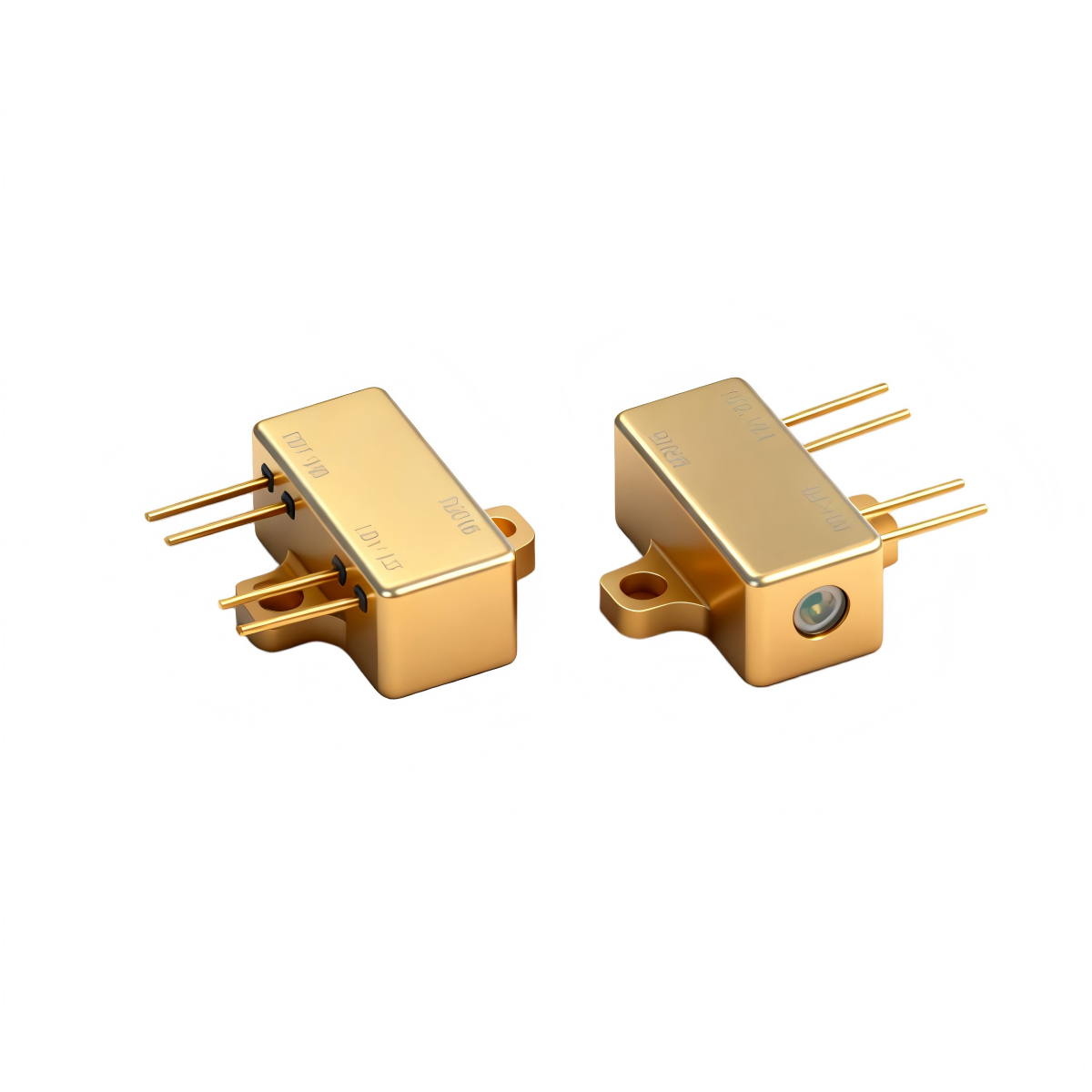
ER10 1535nm 10µJ Eye-Safe Erbium Glass High-Repetition Laser for OEM LiDAR
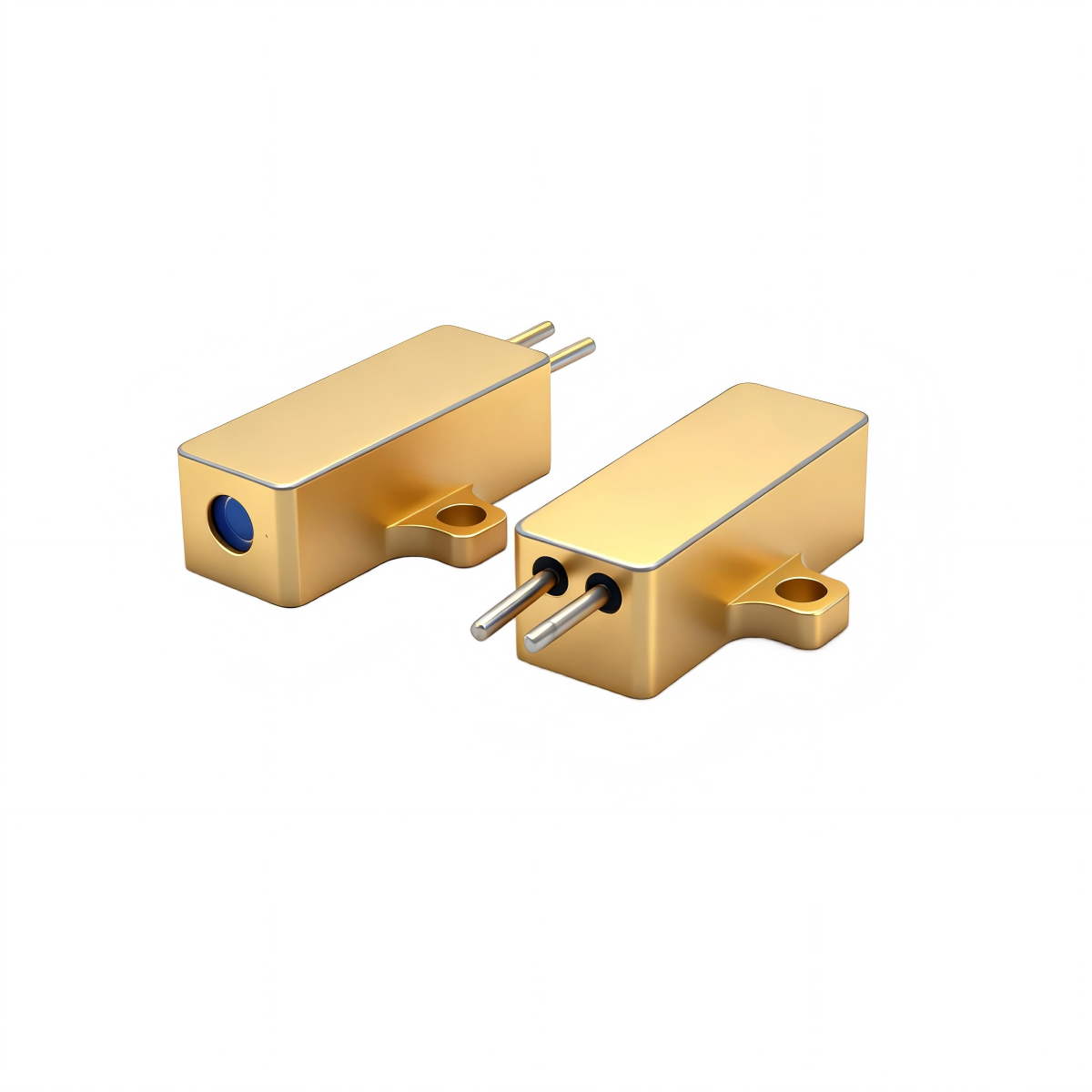
ER100 1535nm 100µJ Eye-Safe Erbium Glass Laser for Mini Rangefinders and LiDAR
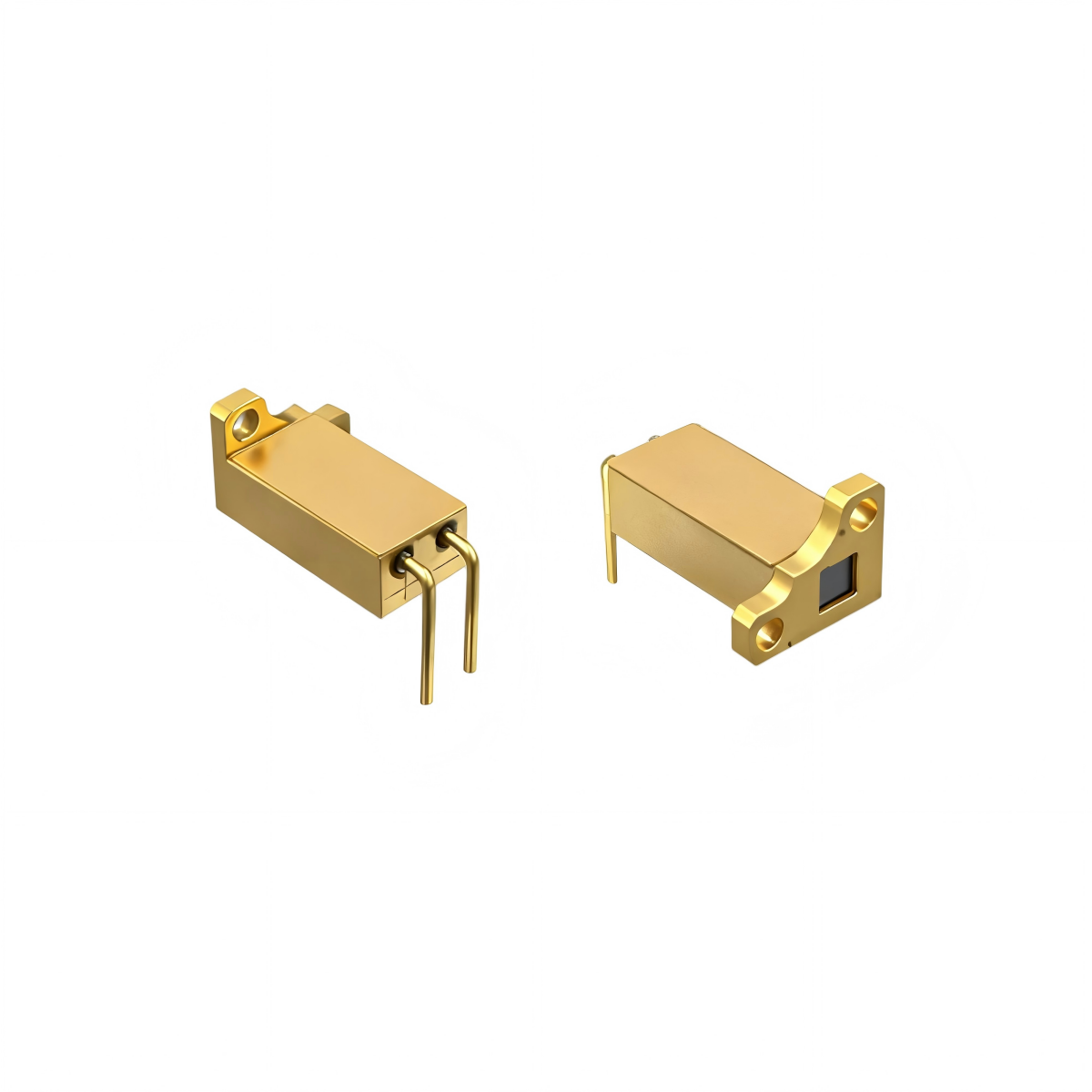
MINI-100 1535 nm Eye-Safe Microchip Erbium Glass Laser for Mini Rangefinders and LiDAR