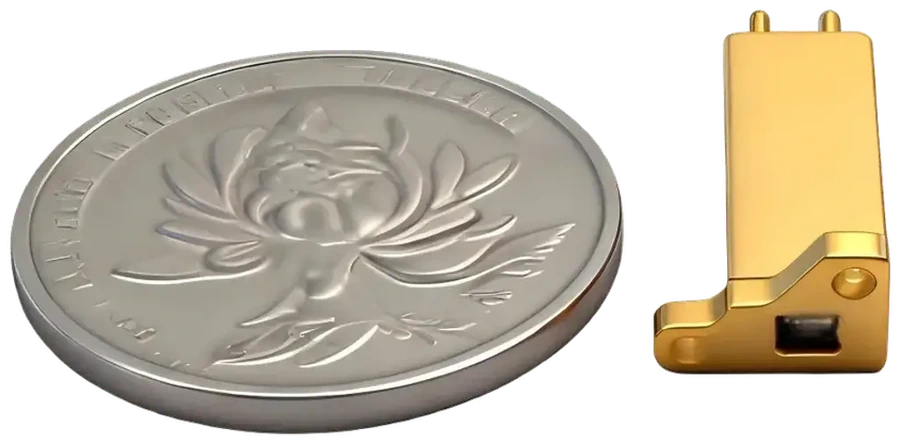
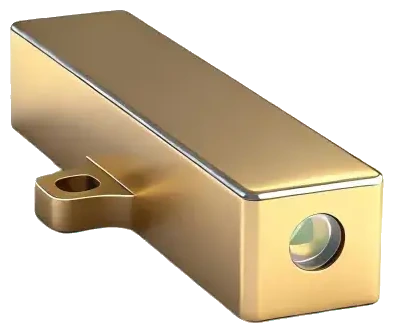
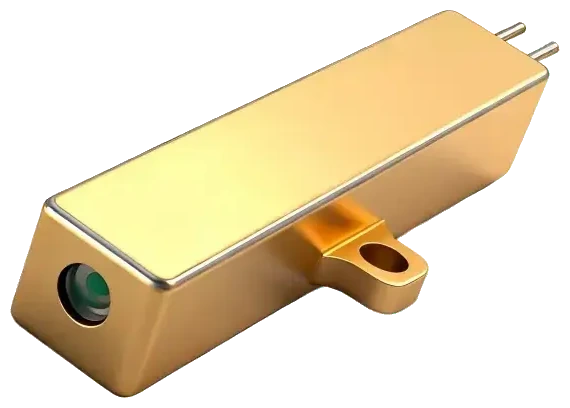
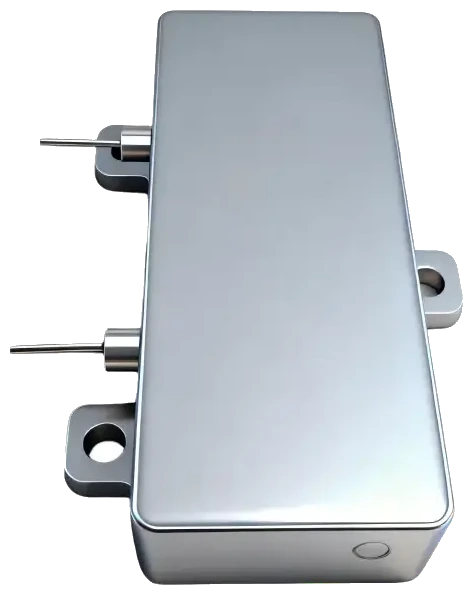
ER10
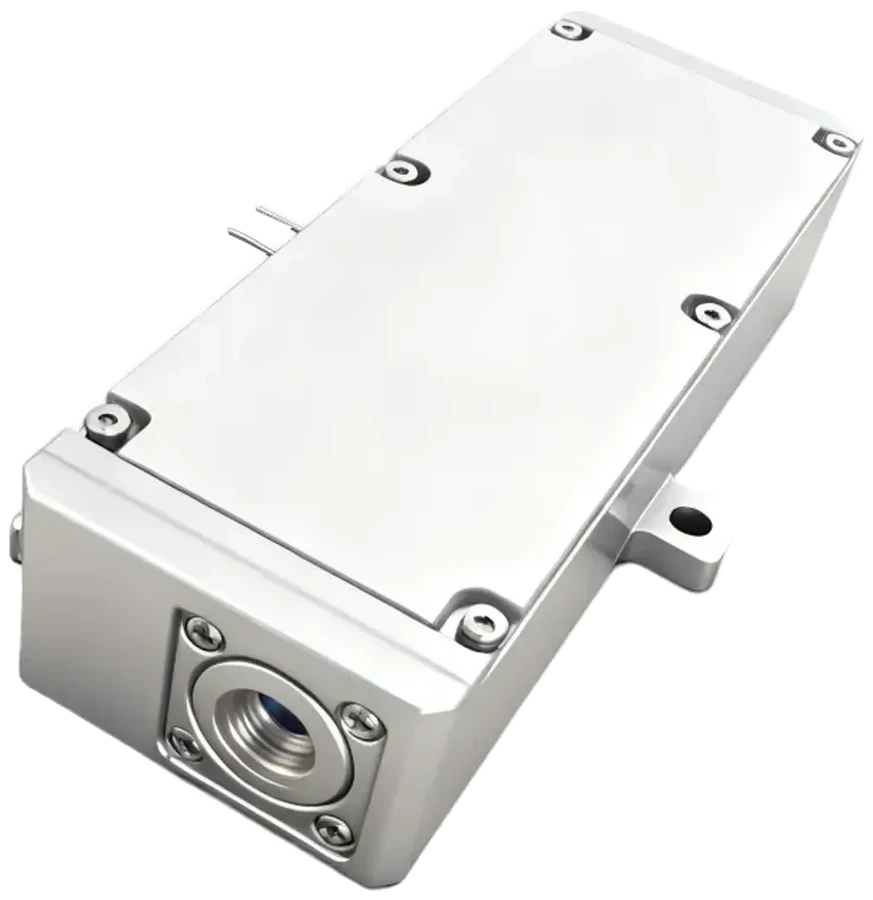
High repetition · 1535nm Laser Source
- Pulse energy
- ≥10 µJ
- Repetition rate
- 5 kHz
- Pulse width
- 5 ns
- Dimensions
- 17 × 8 × 7 mm
Compact pulsed sources for laser rangefinders, LiDAR-related systems and precision sensing. Sixteen models from 10 µJ to 10 mJ, with the values stated per model, not per family.
Four questions decide whether a 1535nm source fits a programme. This range is built to answer them in the order they come up.
Sixteen models on Er:Yb glass. Moving up the energy range stays inside one material system.
Energy, pulse width, divergence, repetition rate, mass and body length are stated per model, not as one family range.
Body length 14.5–110 mm, drive 2–14 V at 5–100 A. Optics, mechanics and interface can be adapted.
Requirement intake, technical review, sample build and verification, then design transfer with revision control.
Two families, sixteen models. Each card carries the published values and links to that model's own page.
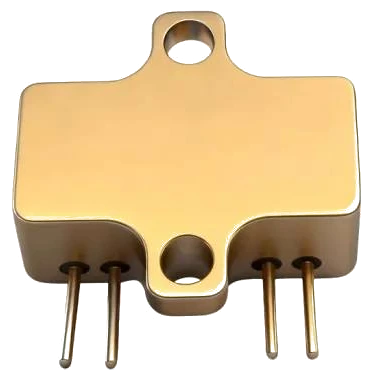
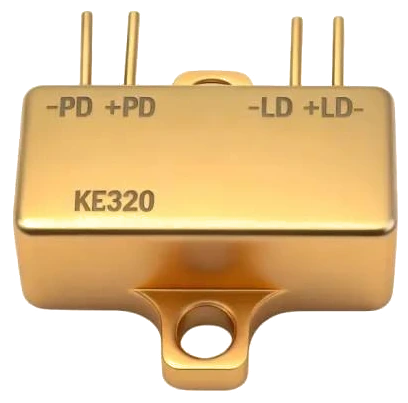
Microjoule-level sources running at 500 Hz to 5 kHz for lightweight LiDAR, compact rangefinders and continuous measurement. Pulse energy from 10 µJ to 70 µJ.
4 models · Selection guide
High repetition · 1535nm Laser Source
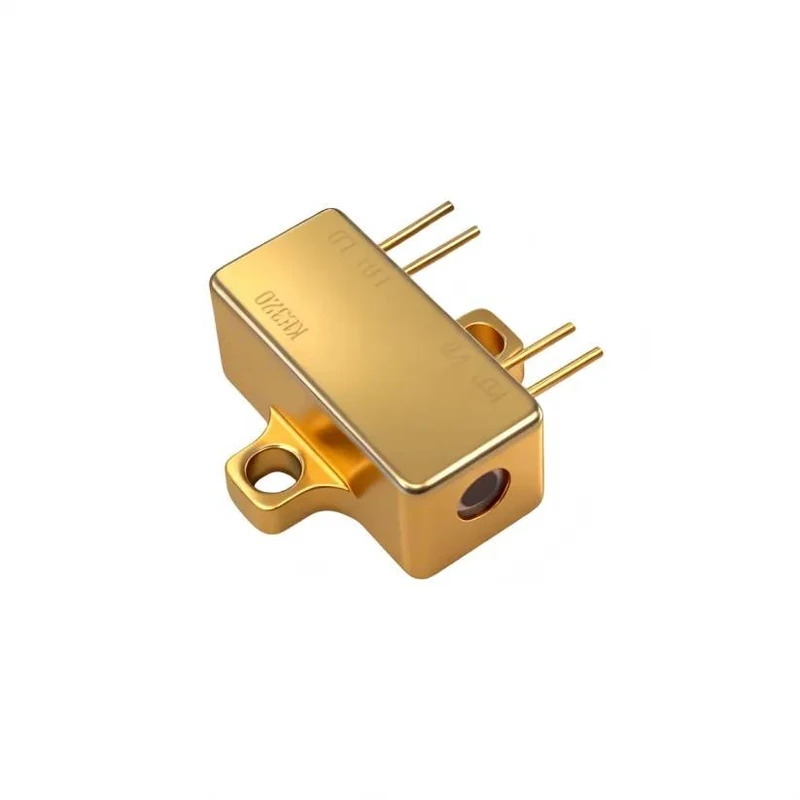
High repetition · 1535nm Laser Source
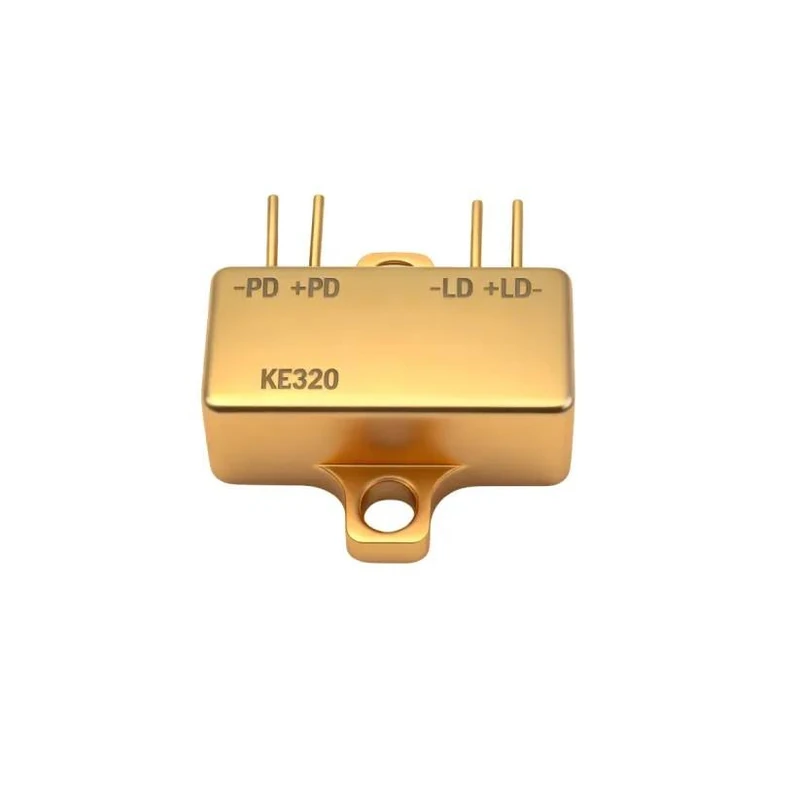
High repetition · 1535nm Laser Source
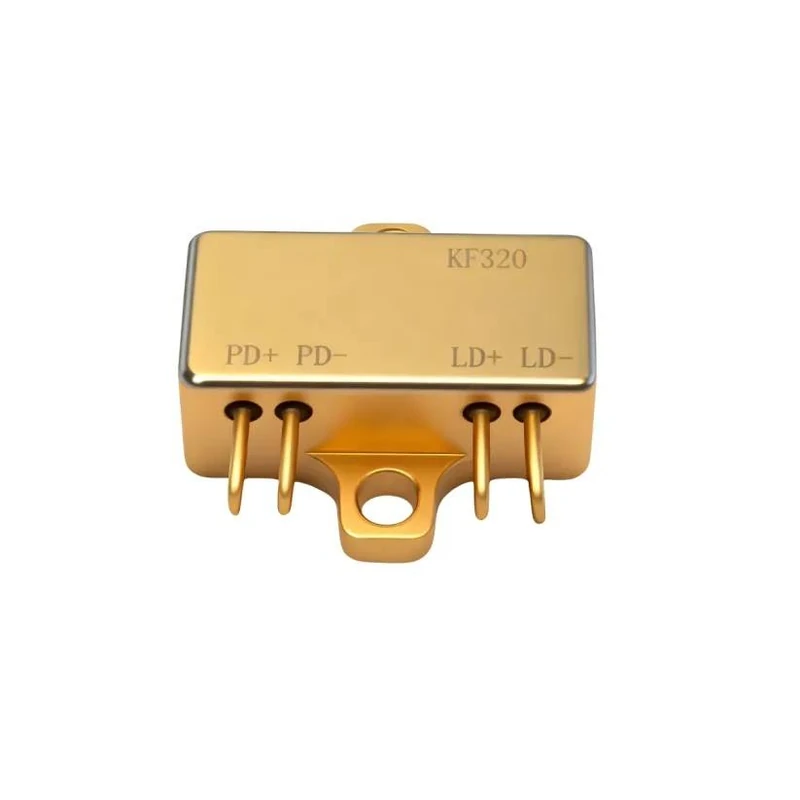
High repetition · 1535nm Laser Source
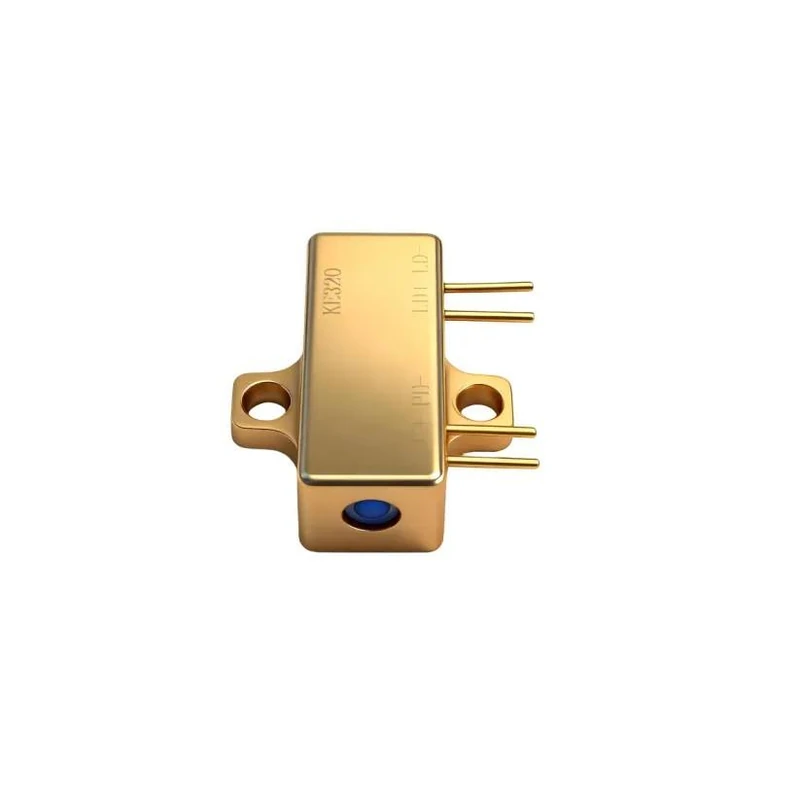
Er:Yb glass microchip sources from 100 µJ to 10 mJ for rangefinding, long-range LiDAR and remote sensing. Repetition rate is 1–10 Hz up to 800 µJ and 1–5 Hz above that.
12 models · Selection guide
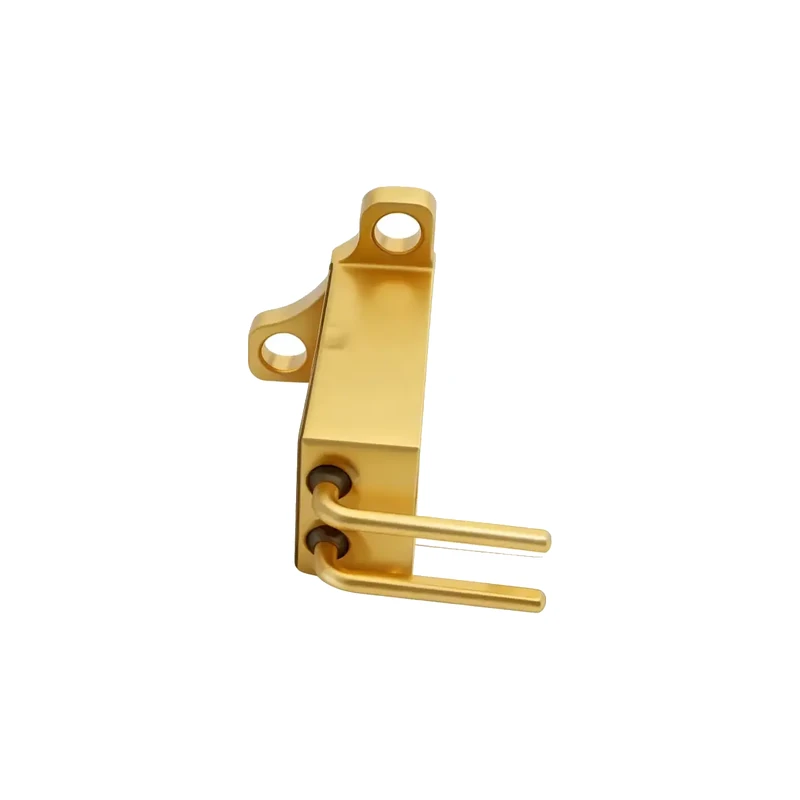
Micro package · 1535nm Laser Source
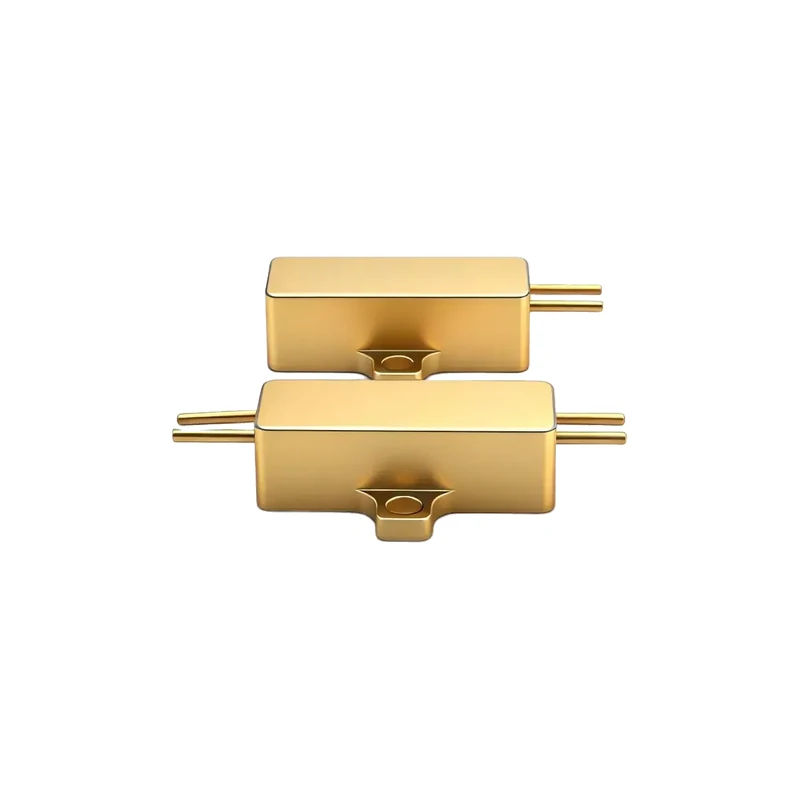
Micro package · 1535nm Laser Source
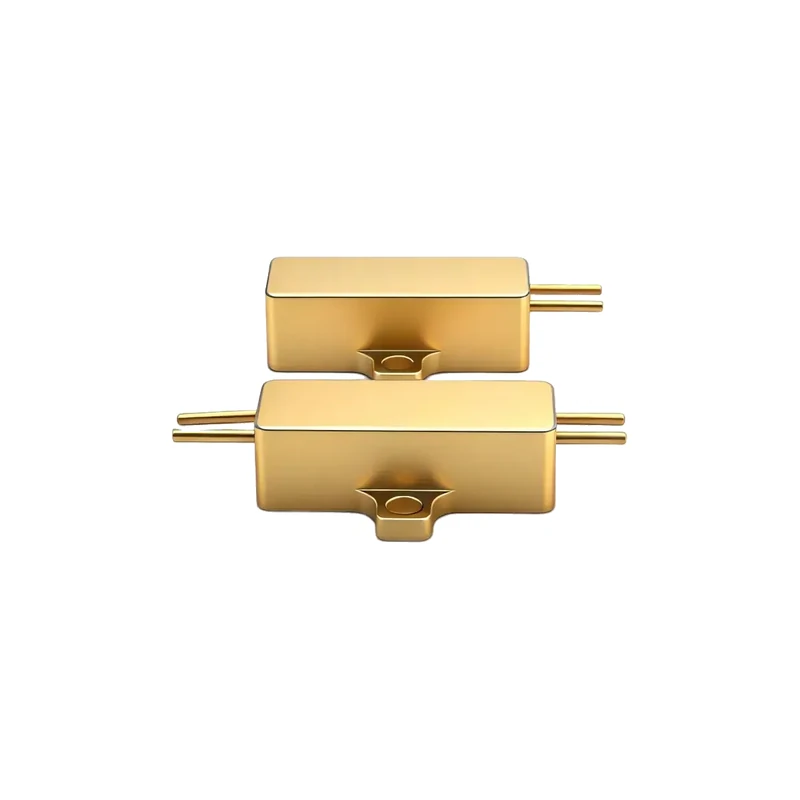
Compact · 1535nm Laser Source
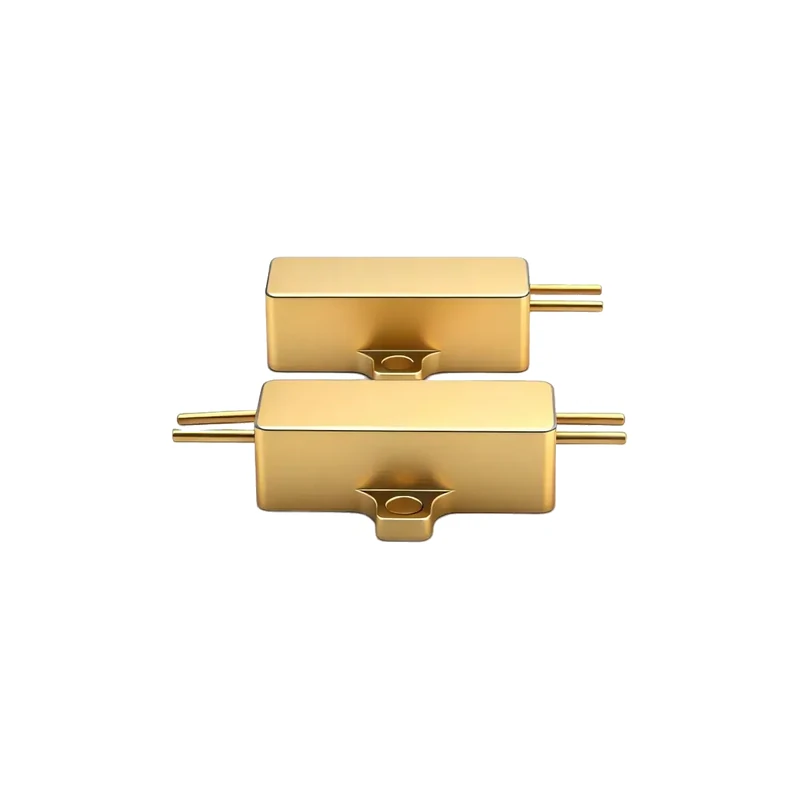
Compact · 1535nm Laser Source
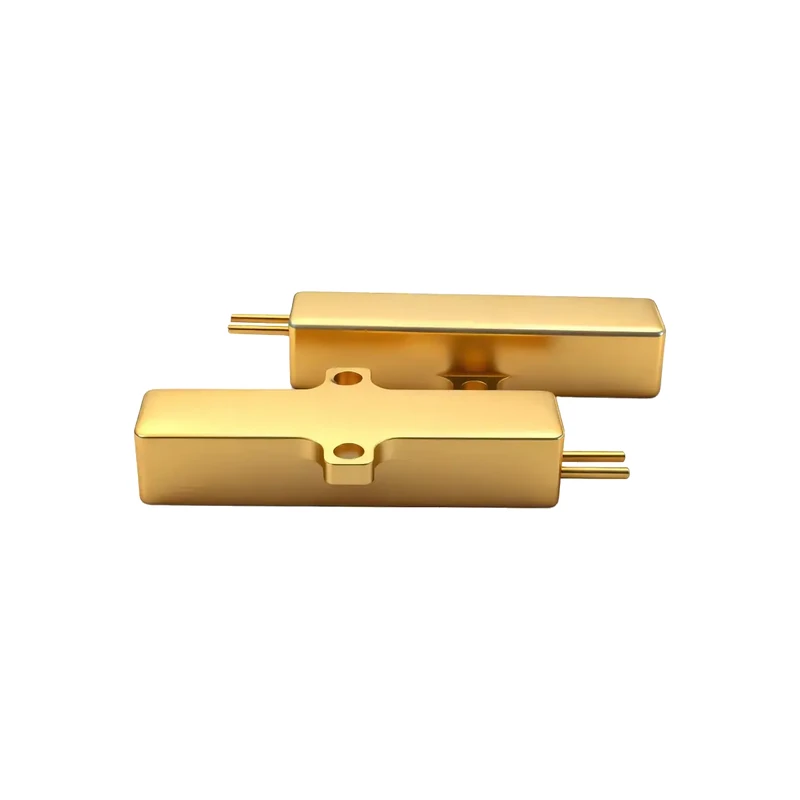
Compact · 1535nm Laser Source
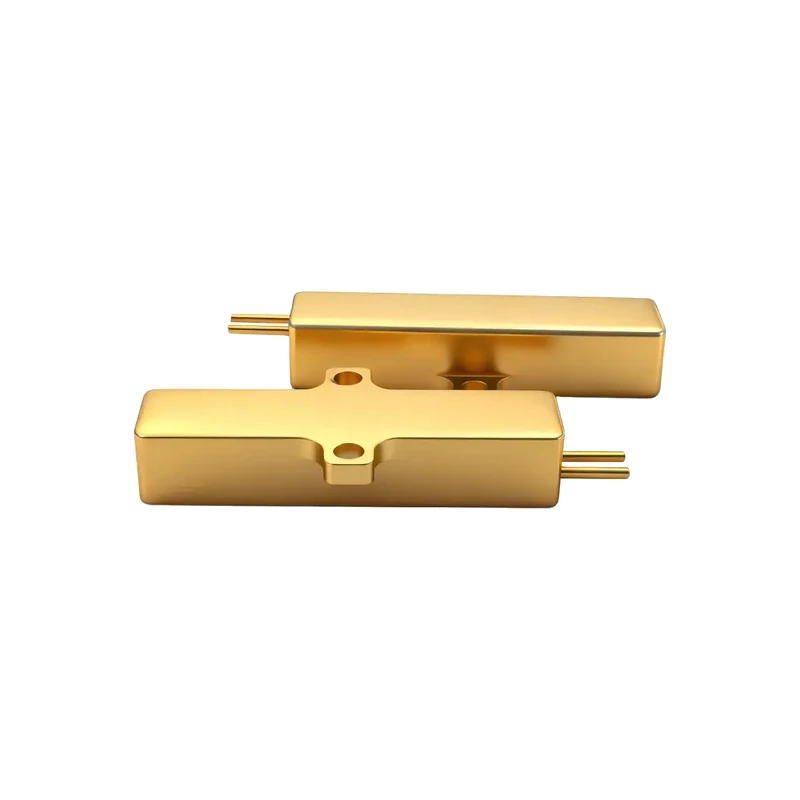
Compact · 1535nm Laser Source
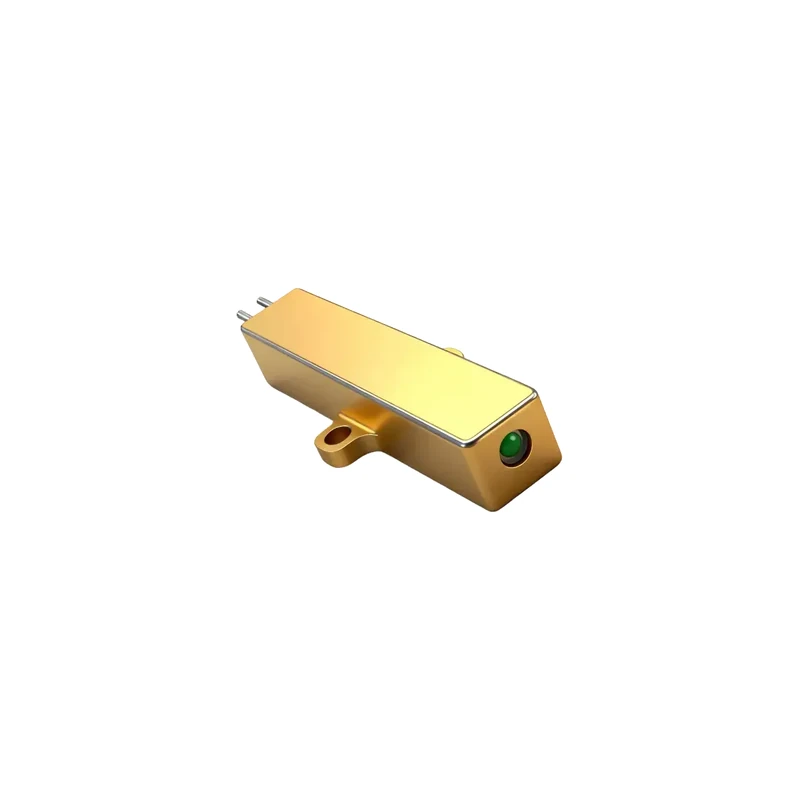
Standard · 1535nm Laser Source
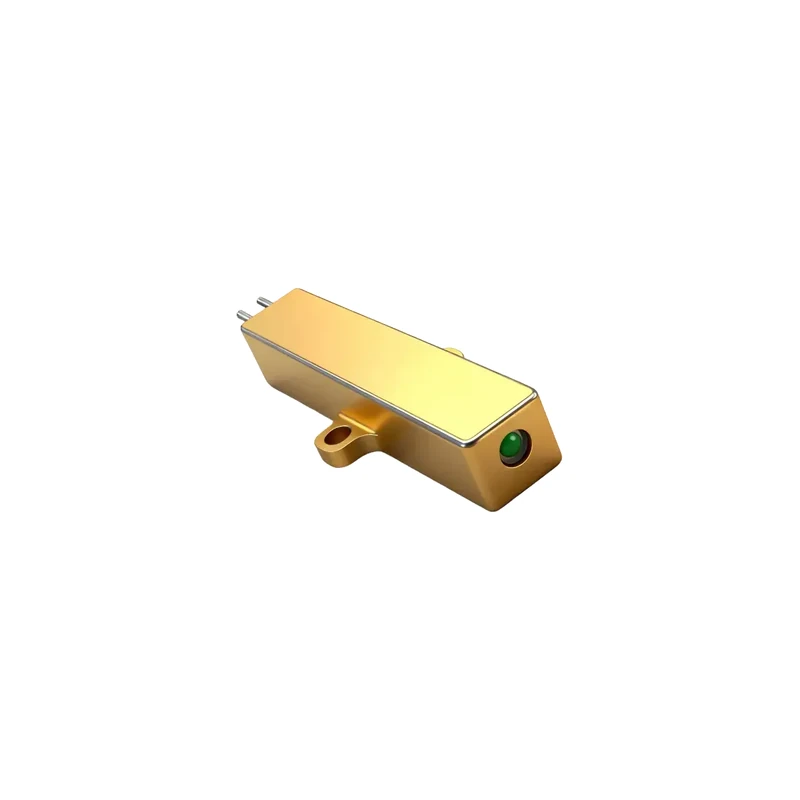
Standard · 1535nm Laser Source
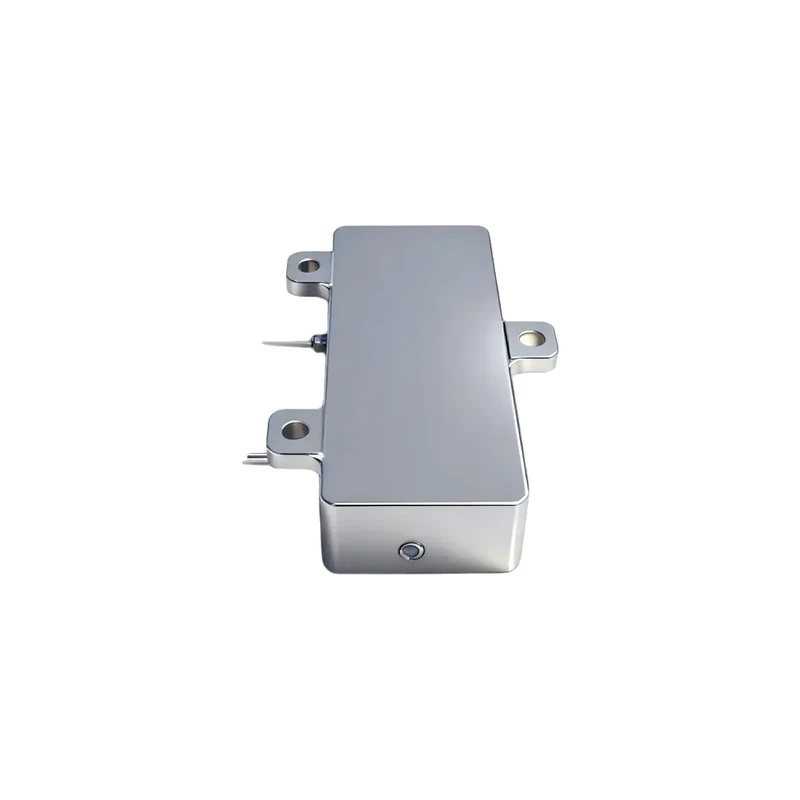
High energy · 1535nm Laser Source
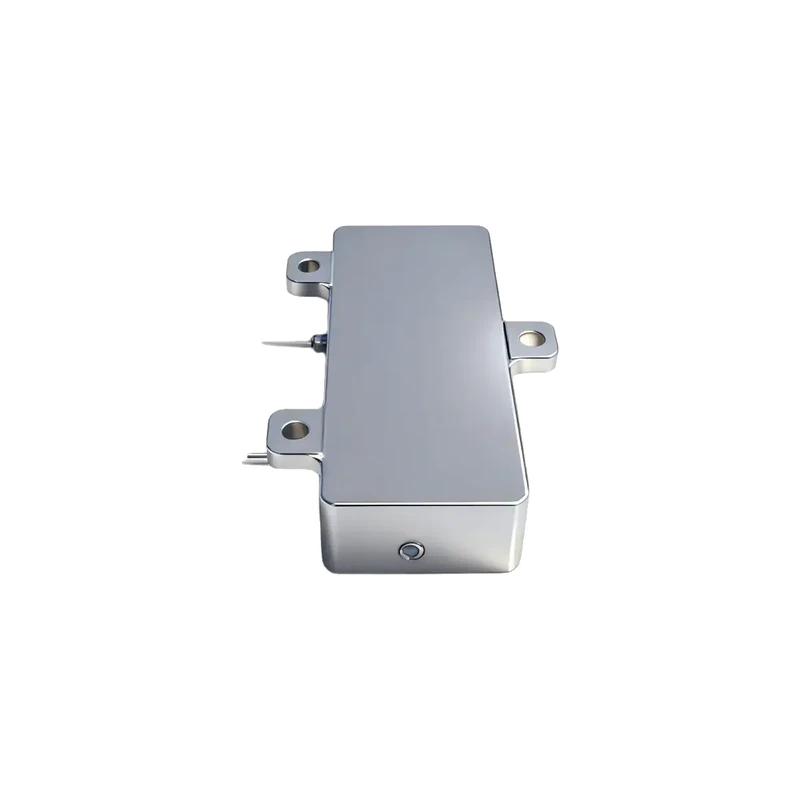
High energy · 1535nm Laser Source
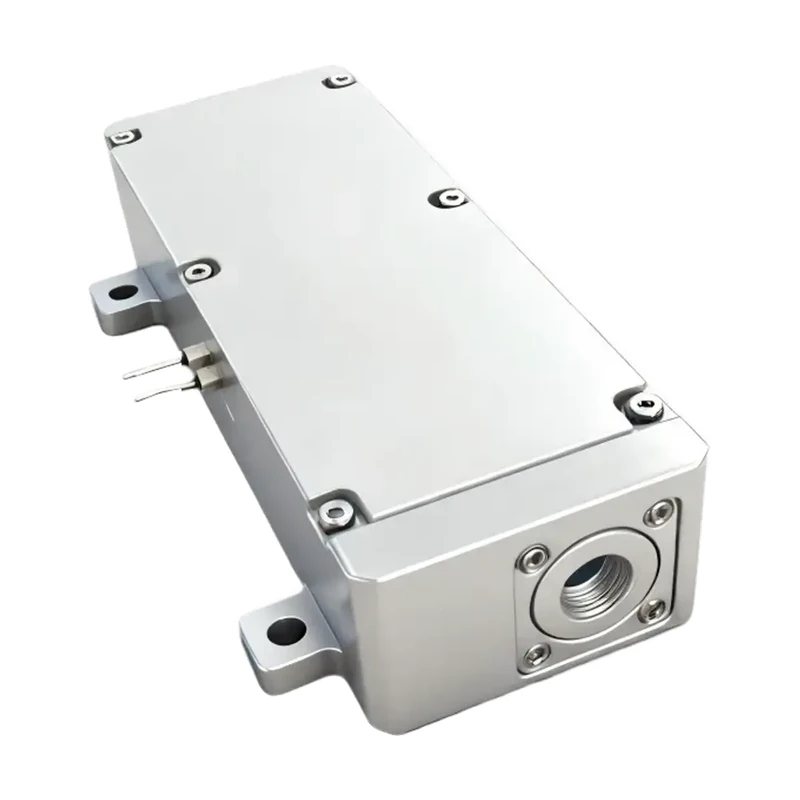
High energy · 1535nm Laser Source
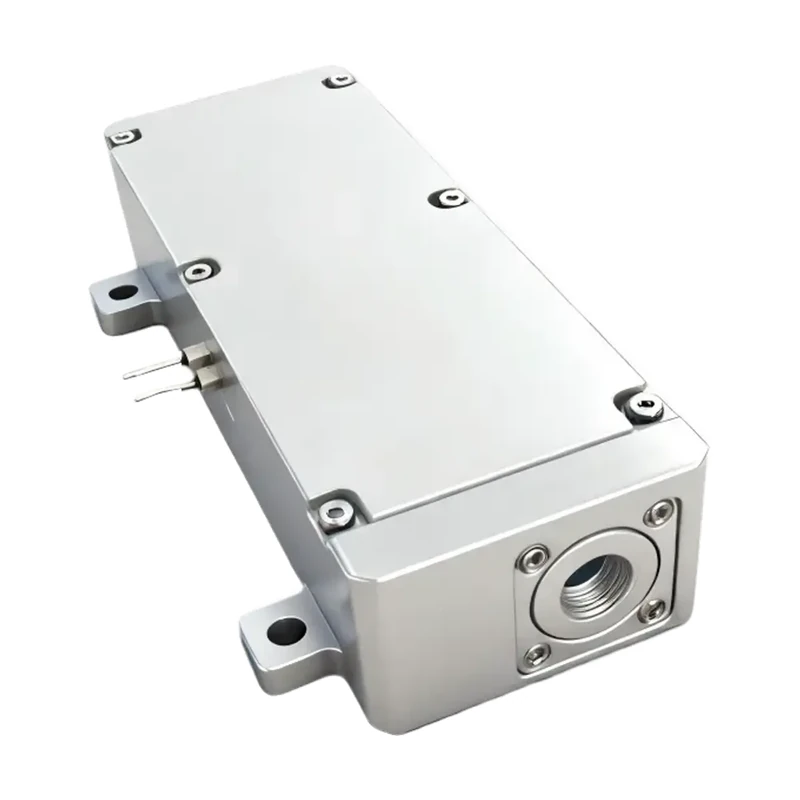
High energy · 1535nm Laser Source
Different systems require different combinations of optical performance, mechanical dimensions, electrical interfaces, and operating conditions. Explore application requirements to identify the specifications most relevant to your project.
What a rangefinder asks of its source, and which models fit the electrical and aperture budget.
kHz scanning and millijoule long range are two different problems; the guide separates them.
Sensing and measurement systems that benefit from a 1.5 µm eye-safe wavelength.
Design-in support for package, interface and operating-condition constraints.
The same sequence for a first sample and for a production programme.
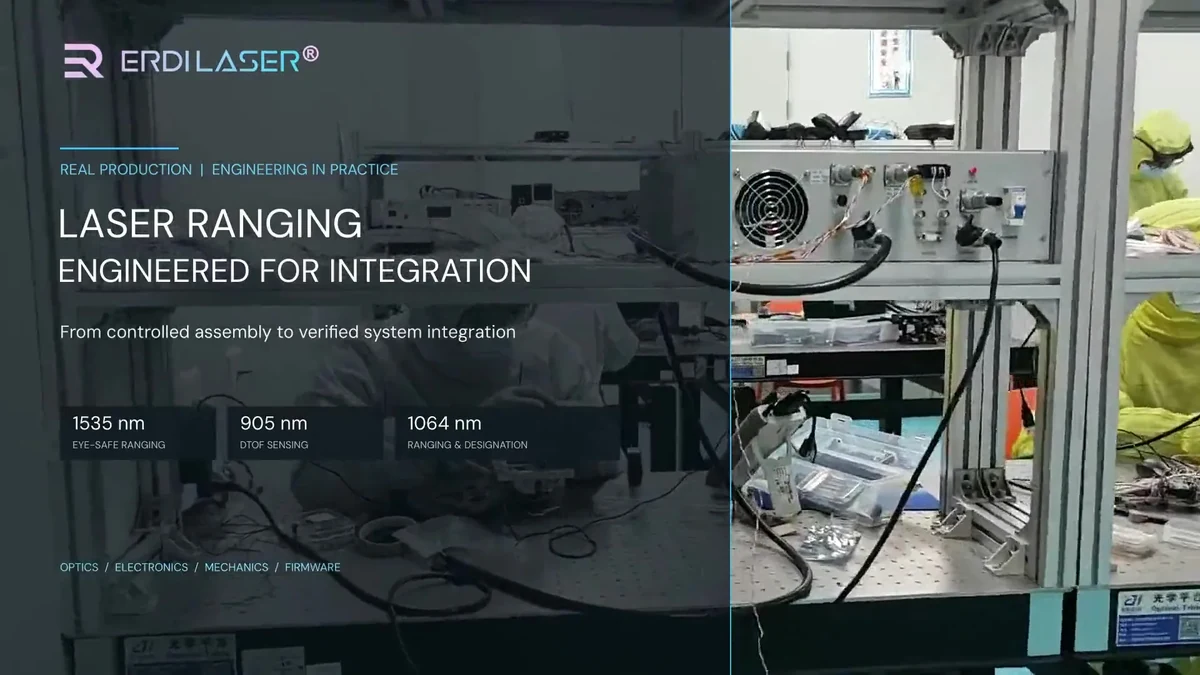
Find product datasheets, mechanical drawings, integration notes, and technical FAQs to support your engineering evaluation and system design.
2.5–220 g, 14.5–110 mm, with mounting and alignment notes.
Open the dimension guideEr:Yb glass, 1535 nm against 905 nm, drive and thermal.
Read the technology page











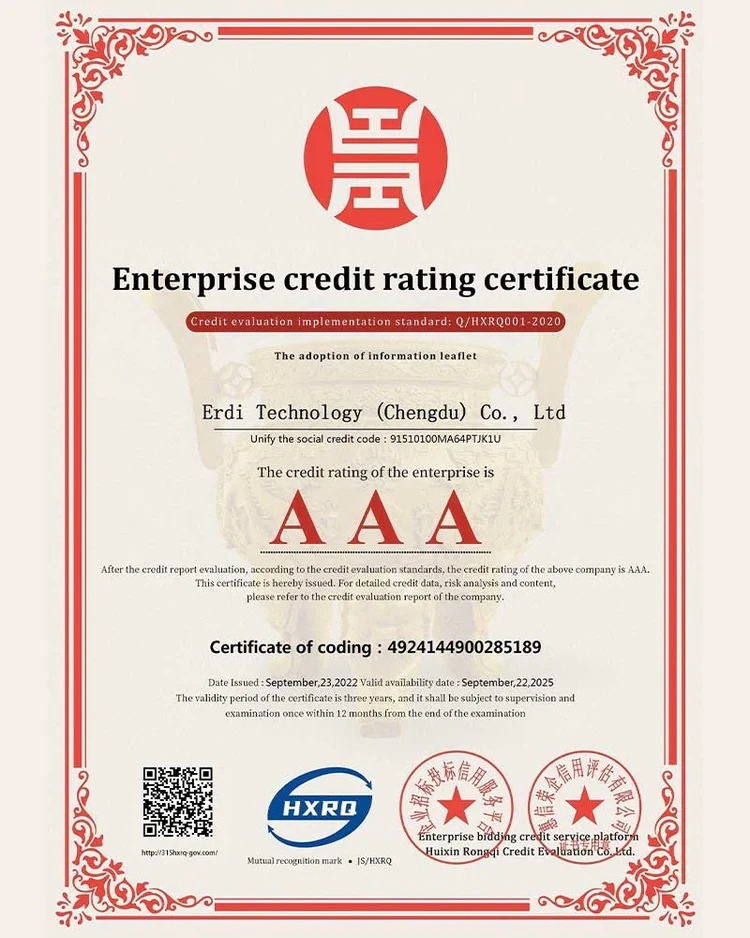
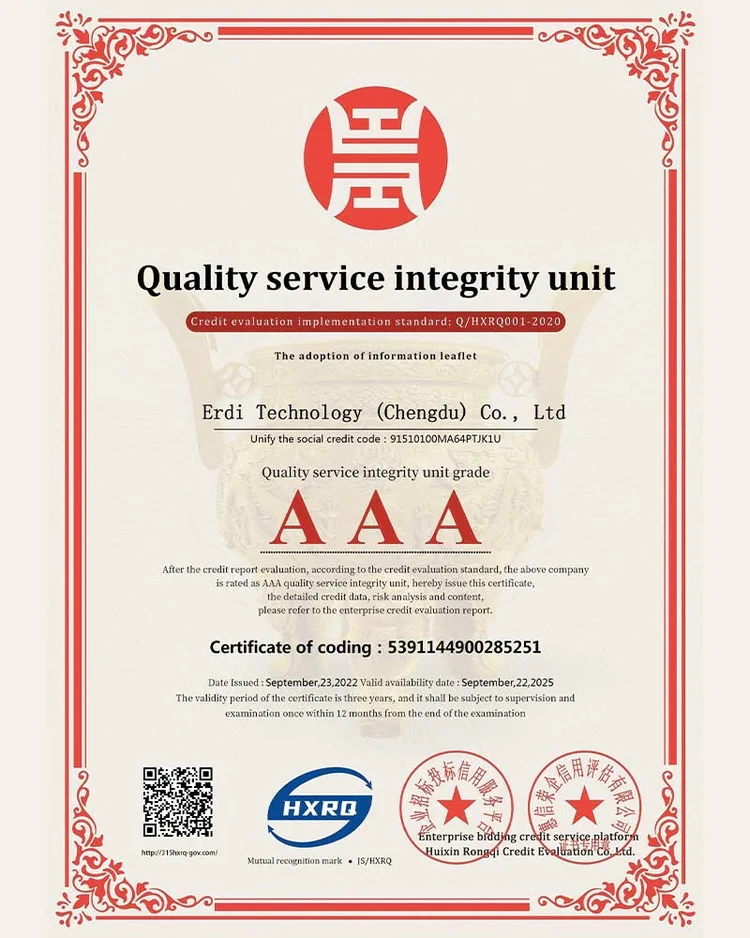

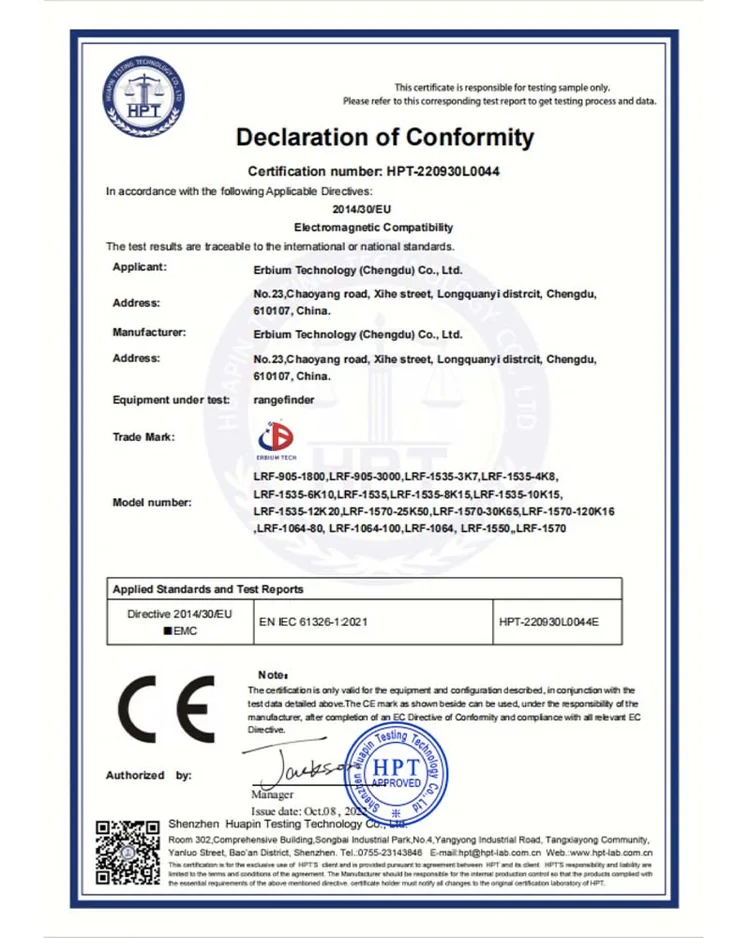
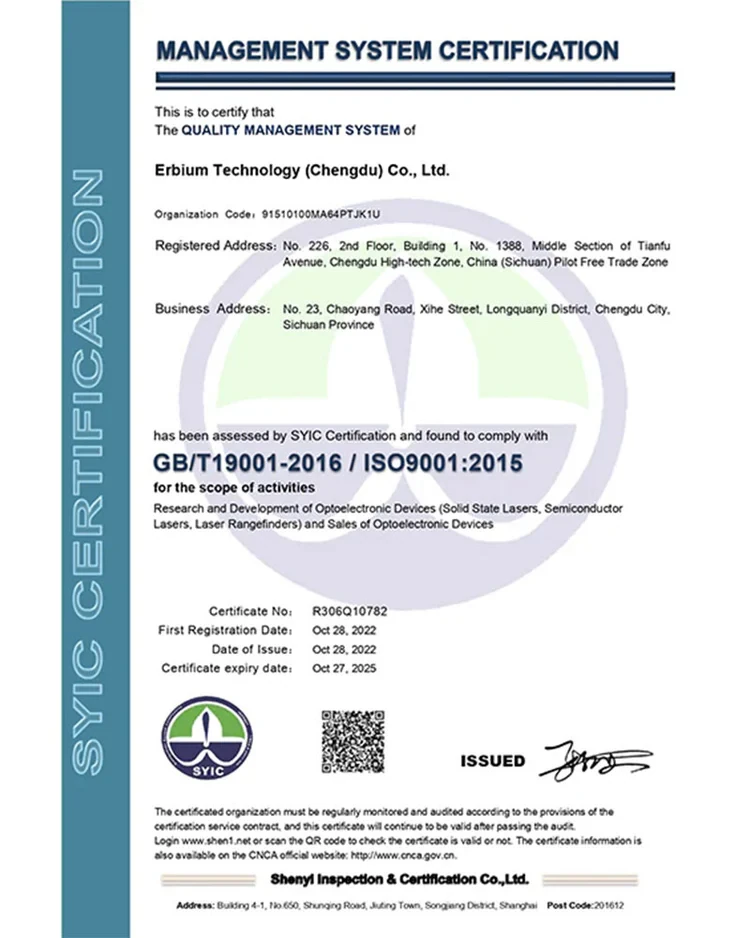
If your project requires a specific package, interface, operating condition, or other product configuration, share your requirements with our team. We will review the technical feasibility and clarify the next steps.
Performance, customisation, quality, size, delivery and cost — what we claim, and what we do not.
Discuss Your Custom RequirementsTell us about your application, key technical requirements, and integration constraints. Our team can review the information and help determine the most appropriate next step.
Request a Quote